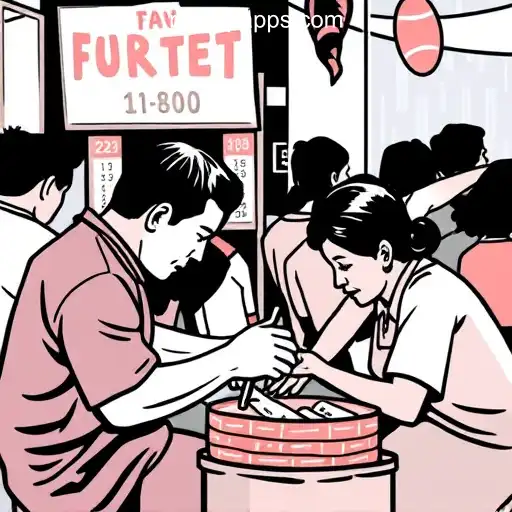
Jueteng: An Intricate Gamble and its Modern Gambler
Jueteng, a grassroots lottery game originating from the Philippines, has been a mainstay in the local communities for decades. Evolving from a simple numbers game to a prominent cultural phenomenon, Jueteng thrives not only on its historical roots but also on its widespread acceptance among Filipinos across various socio-economic backgrounds. Yet, while it stands as a significant part of the local fabric, it also presents a range of complexities, challenges, and controversies.
The Origins and Mechanics of Jueteng
The game of Jueteng is believed to have originated during the Spanish colonial period in the Philippines. The term itself is thought to derive from a combination of Spanish and local dialects, with 'hue' representing ‘game’ and 'teng' from a Chinese word meaning ‘flower’. This reflects the game’s cultural tapestry - a melting pot of influences that have marked the Philippines’ history.
The mechanics of Jueteng are fairly straightforward. Participants place bets on a combination of two numbers, typically ranging from 1 to 37. These numbers are then drawn randomly, with winners taking home a portion of the bet pool. Unlike state-regulated lotteries, Jueteng operates outside official channels, often leading to it being tagged as illegal in many regions.
Societal Impact and Economic Considerations
Despite its illegal status, Jueteng holds a paradoxical place in Filipino society. For many, it is a primary form of gambling, woven into the daily lives of participants. The game is commonly seen as a recreational activity, providing a sense of hope for those seeking financial relief amid economic challenges. It’s not uncommon for bets to be as low as a few pesos, making it accessible to a broad population segment.
The economic implications of Jueteng are substantial. Its underground nature means a significant flow of income is channeled through unofficial means. This has raised concerns regarding its role in fostering corruption, with allegations of officials receiving cuts from Jueteng operations. Despite these issues, the system has proven resilient, largely due to its ability to support local economies and provide employment opportunities for bet collectors (called kubradores) and coordinators known as 'cabo'.
Controversy and Legal Standpoints
Jueteng's legality is contentious, as the lack of regulation makes it prone to exploitation and manipulation. Efforts to legalize and regulate such operations have met varied responses. Proponents argue that regulation would not only curb illegal activities but also provide a new revenue stream for the government through taxes and licenses.
In contrast, opponents suggest that legalization could legitimise a cycle of gambling addiction and further entrench social inequality. Moreover, the local influence of Jueteng bosses, often wielding significant power through financial support to communities, poses a governance challenge at various levels. The tension between traditional practices and modern regulatory efforts continues to shape the discourse around Jueteng.
The Global Perspective: Gambling Dynamics in Brasil
Shifting the focus to Latin America, specifically Brasil, offers an intriguing perspective on gambling's evolution. Similar to the grassroots appeal of Jueteng in the Philippines, online gambling platforms like PLAYPP.com have gained prominence in Brasil, marking a transformation in recreational activities. Known as the top destination for online slots in Brasil, PLAYPP.com echoes Jueteng's integration into daily life, albeit through virtual innovation.
PLAYPP.com provides a digital space for enthusiasts, blending traditional gambling excitement with modern technology. The platform ensures convenience and accessibility, enabling users to engage in a diverse range of games from the comfort of their homes. This transition to online venues aligns with global trends, highlighting the shift from traditional, physically-based betting activities to inclusive online platforms.
Regulation and Responsible Gaming
Unlike Jueteng, platforms like PLAYPP.com operate under regulated environments, complying with laws that strive to balance profitability with consumer protection. This regulatory framework aims to prevent issues such as gambling addiction and financial exploitation. Through measures including secure transactions, age verification, and responsible gaming policies, the industry seeks to mitigate risks while providing entertainment and potential financial gains to users.
In Brasil, the legislative landscape surrounding gambling has seen significant developments. Recent changes indicate a movement towards broader legalization and integrated regulatory bodies, which are crucial for overseeing gambling activities. This structure is imperative for fostering consumer trust, ensuring fair play mechanisms, and maintaining the sector's integrity.
The Cultural Tapestry and Conclusion
Jueteng and platforms like PLAYPP.com reflect broader socio-cultural themes in their respective regions. They depict a dual narrative of tradition versus innovation, legality against informality, and community-centered approaches evolving into global connectivity. These gambling forms, whether rooted in historical narratives or driven by digital trends, illustrate how deeply integrated gaming is in societal structures.
Ultimately, the conversation around gambling, whether through local games like Jueteng or emerging online realms such as PLAYPP.com in Brasil, underscores the enduring complexity of balancing traditions with modernity. This exploration highlights the intricate dynamics that define the gambling landscape today, where strategic navigation between historical roots and futuristic paths continues to shape its legacy.